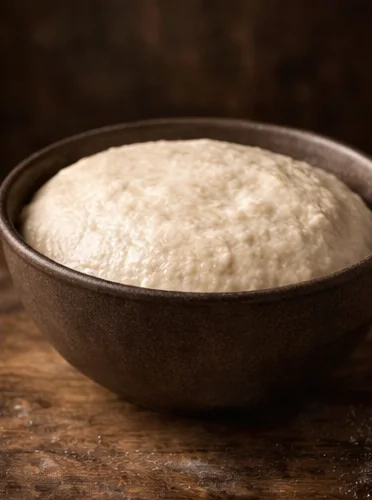
What Fermentation Does
Fermentation is the process by which yeast consumes sugars in the flour and produces carbon dioxide (which makes dough rise) and organic acids (which create flavor). Without adequate fermentation time, pizza dough tastes flat and bready. With proper fermentation, the crust develops complexity—slightly tangy, nutty, and deeply savory.
Cold Fermentation (Refrigerator)
Cold fermentation (4–6°C) slows yeast activity dramatically, allowing enzymes in the flour to work overtime. These enzymes break down complex carbohydrates and proteins into simpler forms, creating amino acids and sugars that contribute to browning and flavor. 24-hour cold ferment: good. 48-hour: excellent. 72-hour: outstanding. Beyond 5 days, over-fermentation begins.
Warm Fermentation (Room Temperature)
Room temperature fermentation at 22–26°C is much faster—a dough can double in 1–2 hours. This is used for quick doughs and focaccia. The flavors are less complex than cold-fermented dough, but the process is faster and still produces good results. A 2-hour warm ferment followed by 24h cold rest is an excellent hybrid approach.
How Much Yeast to Use
The amount of yeast directly controls fermentation speed. For a 72-hour cold ferment, 1–2g fresh yeast per 500g flour is sufficient. For a 4-hour room temperature rise, you'll need 5–7g. Using too much yeast causes rapid over-fermentation—the dough exhausts its food supply and becomes over-acidic and weak.
Recognizing Over-Fermentation
Over-fermented dough smells sharply acidic (like vinegar), feels slack and sticky, tears easily, and produces flat, dense pizza. The gluten structure breaks down. To rescue slightly over-fermented dough: shape and bake immediately. Very over-fermented dough is difficult to save.