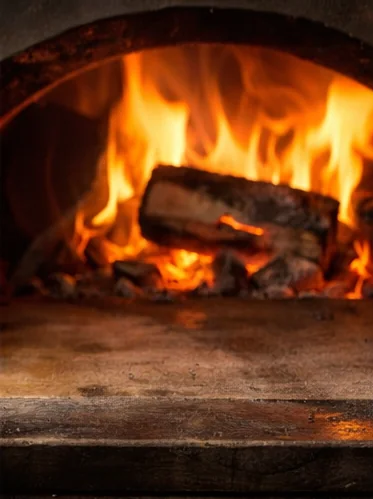
Why High Heat Matters
Temperature is the single biggest variable separating home pizza from professional pizza. A wood-fired Neapolitan oven reaches 430–480°C and bakes a pizza in 60–90 seconds. At this speed, the crust sets and chars before moisture can escape—creating a crispy exterior and a moist, soft interior simultaneously. Home ovens max at 250–280°C. The result: longer baking, more moisture loss, different texture.
200°C – Too Low
At 200°C, pizza bakes very slowly (20–25 minutes). The cheese overcooks before the crust finishes. The base dries out and becomes hard rather than crispy. Moisture evaporates completely, leaving a flat-tasting pizza. Only use 200°C for thick-crust pizzas, calzone, or pre-baking GF bases.
250–280°C – The Home Oven Sweet Spot
Most home ovens max at 250–280°C. At this temperature, with a preheated pizza stone or steel, you can produce excellent pizza in 8–14 minutes. The key is maximum preheat time: heat your stone or steel for 45–60 minutes. Use the broiler for the last 2–3 minutes to char the top.
Pizza Stone vs Baking Steel
A pizza stone absorbs moisture from the base, creating a dry, crispy bottom. It takes 45+ minutes to fully preheat. A baking steel conducts heat 18x faster than stone, producing a more dramatic bottom char closer to professional ovens. Steel is more expensive but significantly better. Both are vastly superior to a baking tray.
The Broiler Trick
If your oven has a broiler (grill function), use it for the final 2–3 minutes of baking. This blasts intense top heat, blistering and charring the cheese and crust beautifully. Watch carefully—it can go from perfect to burnt in 60 seconds.