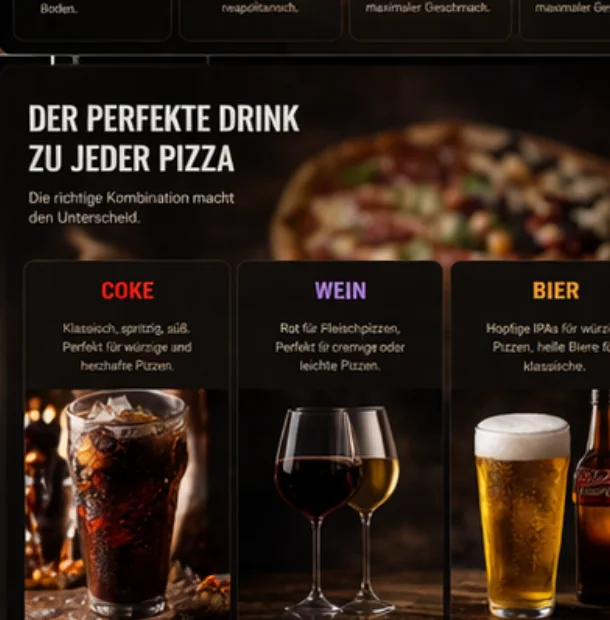
Drink Pairings — Why the Right Drink Makes Pizza Better
The drink you choose doesn't just accompany the pizza — it changes how you taste it. Carbonation cuts fat. Acidity balances richness. Cold temperature refreshes. Here's how to pair intentionally, not randomly.
The Science Behind Pizza Drink Pairing
Pizza is rich. Cheese fat coats the palate, tomato acidity lingers, salt builds. A well-chosen drink counteracts these effects — not by masking them, but by resetting the palate so each bite tastes as good as the first. There are three mechanisms at work:
Carbonation as a fat cutter. The CO₂ bubbles in sparkling drinks physically interact with fat molecules, breaking down the coating on your tongue. This is why Coca-Cola and sparkling wine work with cheese pizza in a way that flat water doesn't. The stronger the carbonation, the more effective the cut.
Sweetness vs acidity vs tannins. Sweet drinks (Coke Classic, Coke Vanilla) balance the acidity of tomato sauce. Acidic drinks (natural wine, citrusy beer) contrast with rich, fatty toppings. Tannic drinks (Chianti, red wine) bind with the proteins in cured meats, creating a softer perception of both.
Temperature as a palate refresher. Cold drinks — and this is purely physical — reduce the temperature of the mouth between bites, making the heat and spice of each new bite feel more vibrant. An ice-cold Coke with a fresh-from-the-oven pizza is one of the more reliable sensory pleasures in everyday life.
The Master Pairing Table
Concrete recommendations, not vague suggestions:
| Pizza | Best Drink | Why It Works | Avoid |
|---|---|---|---|
| Margherita | Coke Classic or light Chianti | CO₂ cuts mozzarella fat; Chianti acidity matches tomato | Heavy red wine (overwhelms) |
| Pepperoni | Coke Classic or IPA | Carbonation neutralizes spicy fat; IPA bitterness contrasts grease | Sweet wines (amplifies richness) |
| Quattro Formaggi | Coke Zero or Barbera d'Asti | Carbonation essential against heavy cheese; Barbera cuts through with acidity | Bland lager (disappears) |
| Prosciutto & Rucola | Prosecco or Coke Lime | Prosecco acidity matches saltiness; lime refreshes between bites | Heavy spirits |
| Truffle & Porcini | Barolo or still mineral water | Barolo's earthiness echoes truffle; water lets the pizza speak | Soda (overpowers delicate truffle) |
| Spicy Nduja | Coke Classic or cold lager | Cold sweetness of Coke extinguishes spice; lager cools without competing | More spice (obviously) |
| Vegetarian (roasted veg) | Vermentino or Coke Lime | Vermentino's herbal notes align with roasted vegetables | Heavy stouts |
| BBQ / Pulled Pork | Smoked Porter or Coke Classic | Porter's smoky notes double down; Coke cuts the richness | Delicate white wine |
| Dessert / Nutella Pizza | Coke Vanilla or espresso | Vanilla-on-vanilla richness; espresso bitterness cuts chocolate | Red wine (clashes with sweet) |
Why Coca-Cola is the Default Answer
There's a reason Coke Classic has been the world's most popular pizza companion for decades — and it's not marketing. The combination works for specific chemical reasons: 39g of sugar per 355ml creates sweetness that offsets tomato acidity; 6.3g of CO₂ per liter creates carbonation strong enough to cut through cheese fat; the caramel and vanilla notes in the Coke formula complement, not clash with, tomato-based sauces.
But Coke comes in variants, and they aren't interchangeable:
Coke Classic — the universal pairing. Works with almost every pizza. Most carbonation, balanced sweetness.
Coke Zero — identical carbonation, zero sugar. Best with rich, fatty pizzas where you don't want sweetness compounding the richness.
Coke Vanilla — creamy, sweet. Best with mild white pizzas and dessert styles. Unusual but genuinely good with Quattro Formaggi.
Coke Cherry — fruity depth. Best with bold, spicy meat pizzas. The fruit note creates an unexpected BBQ-like quality.
Coke Lime — bright, citrusy. Best with lighter, Mediterranean-style pizzas. Excellent with prosciutto and arugula.
Coke Classic
Works with almost every pizza. Maximum carbonation, balanced sweetness, caramel depth. The default for a reason.
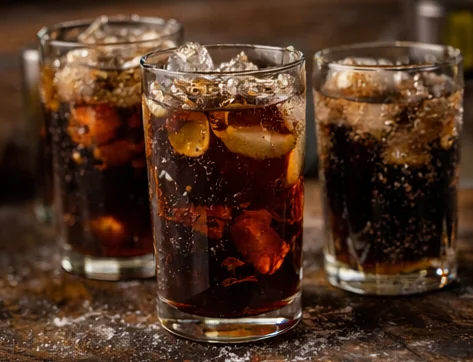
Coke Zero Sugar
Same carbonation, zero calories. Best with rich, heavy pizzas. Doesn't add sweetness to an already indulgent experience.
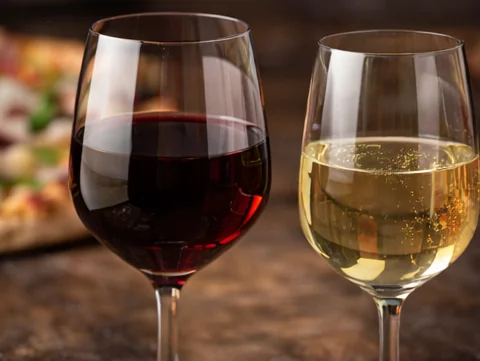
Wine Pairings
Chianti with Margherita. Barbera with Quattro Formaggi. Primitivo with meat pizzas. Wine elevates pizza when the match is right.
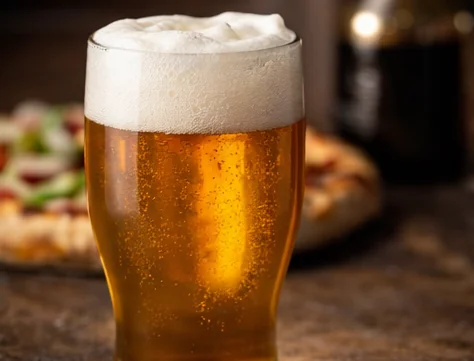
Beer Pairings
Light lager with classic Italian. IPA with pepperoni. Wheat beer with vegetarian. Craft beer and pizza is an underrated combination.
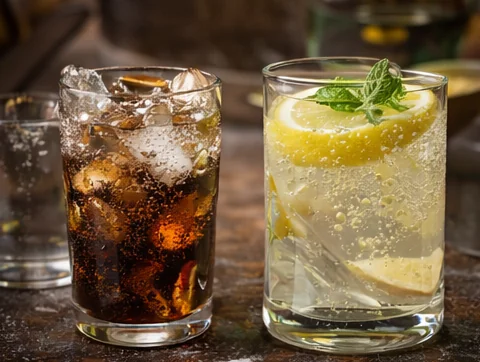
Coke Vanilla
Unexpectedly great with white pizzas and mild cheese styles. The creamy vanilla note works where you'd least expect it.
Other Soft Drinks
Lemonade, sparkling water, iced tea, ginger ale — all have a place at the pizza table. Which works when and why.