Wine & Pizza – Italy's Original Power Couple
Before Coke, Italians drank wine with pizza. This guide explains how acidity, body and flavor can complement tomato, cheese and different toppings.
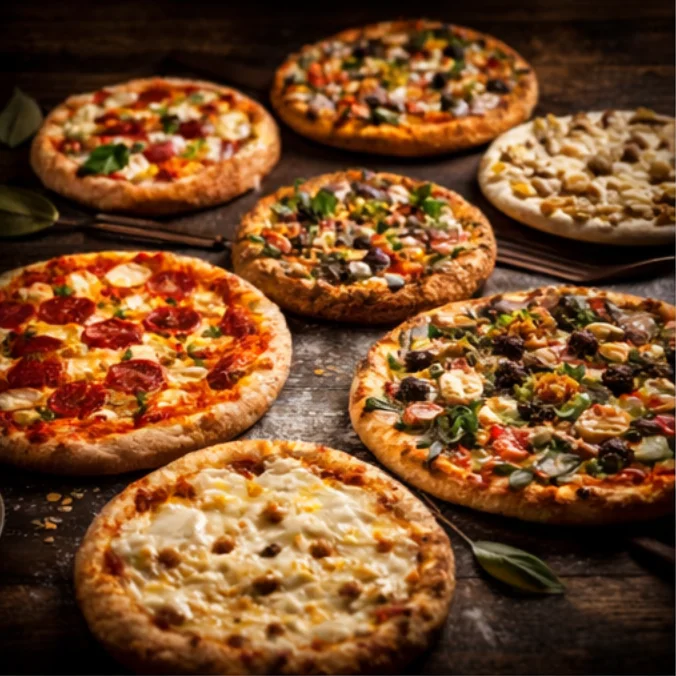
← All PairingsBefore Coke, Italians drank wine with their pizza. And they were right to do so. The right Italian wine with the right pizza is a genuinely extraordinary pairing—each enhancing the other. The key is matching weight: light pizzas with light wines, rich pizzas with structured reds.
Why does wine work with pizza? Acidity is the core mechanism. High-acid wines — Chianti, Barbera, Vermentino, Prosecco — cut through mozzarella fat and reset the palate exactly the way carbonation does, but with far more complexity. Tannins in red wine bind to the proteins in cured meats, softening both the wine's grip and the meat's saltiness — a chemical interaction that makes both taste better together than apart. The golden rule: match the wine's intensity to the pizza's richness, never the other way around.
Chianti Classico + Margherita
Sangiovese's bright cherry fruit, high acidity, and slight tannin cuts through mozzarella perfectly. The tomato in Margherita is amplified by Chianti's fruit. A classic for a reason.
Prosecco + Burrata & Gourmet
Prosecco's bubbles and apple/pear fruit complement cream-based and gourmet pizzas. The low alcohol keeps things light. Perfect aperitivo-style pairing.
Pinot Grigio + Seafood & Veggie
Crisp, mineral Pinot Grigio is the ideal white for lighter pizzas. Its citrus and green apple notes enhance vegetables and seafood without overwhelming.
Barolo + Truffle & Meat Feast
Big, tannic Barolo needs a substantial pizza to stand up to it. Truffle, porcini, and meat-heavy pizzas are its perfect match. An occasion wine.
Rosé + Almost Anything
Good dry rosé is the most versatile pizza wine. It has enough body for meat toppings and enough freshness for vegetables. When in doubt, choose rosé.
Frequently Asked Questions
How to use this page
Wine & Pizza – Italy's Original Power Couple is designed as a starting point: choose the style that fits your time, oven and ingredients, then open the matching recipe or guide. Use the links below to jump to recipes, dough guides, technique pages or pairings.
- Start with the category closest to your goal.
- Compare time, difficulty and toppings before choosing.
- Use the internal links to dough, baking technique and pairings for a better result.