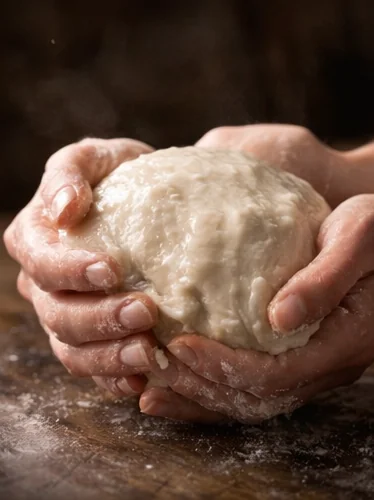
Teighydration
Teighydration erklärt die Technik hinter besserer Pizza: Teigstruktur, Hitze, Feuchtigkeit und Backverhalten.
Warum das wichtig ist
Wenn du die Ursache verstehst, kannst du Fehler korrigieren: weicher Boden, zäher Rand, blasser Teig oder zu schwerer Belag haben fast immer technische Gründe.
- Hydration steuert Dehnbarkeit und Krume
- Fermentation entwickelt Aroma
- Ofenhitze entscheidet über Boden und Rand
Passende Seiten
Praktische Anwendung in der Küche
Teighydration ist kein reines Theorie-Thema. Der Nutzen liegt darin, dass du beim Backen schneller erkennst, warum ein Teig reißt, klebt, trocken wird oder im Ofen nicht genug aufgeht.
Ändere immer nur einen Faktor gleichzeitig: Wasseranteil, Ruhezeit, Mehltyp, Temperatur oder Backdauer. So findest du heraus, welche Stellschraube wirklich verantwortlich ist.
Für konstante Ergebnisse lohnt es sich, Mengen in Gramm zu wiegen, die Raumtemperatur grob zu notieren und nach jedem Backen kurz festzuhalten, was beim nächsten Mal anders werden soll.
- erst messen, dann verändern
- Ofen vollständig vorheizen
- Teigruhe, Hydration und Mehltyp gemeinsam bewerten
Häufige Fehler vermeiden
Viele Probleme entstehen durch zu viel Belag, zu wenig Vorheizen oder einen Teig, der nicht genug entspannen konnte. Bevor du das Rezept änderst, prüfe deshalb zuerst Ofentemperatur, Backfläche und Teigzustand.
Ein einfacher Test hilft: Wenn der Teig beim Formen zurückspringt, braucht er mehr Ruhe. Wenn der Boden blass bleibt, fehlt Hitze von unten. Wenn die Mitte weich wird, war der Belag wahrscheinlich zu feucht oder zu schwer.
Hydration nach Pizza-Stil
Hydration ist kein Wettbewerb. Ein Teig mit 75% Wasser kann schlechter sein als ein Teig mit 62%, wenn das Mehl zu schwach ist, der Ofen zu langsam backt oder beim Formen zu viel Streumehl nötig wird. Für Pizza zu Hause ist die beste Hydration die, die in deinem Ofen Dehnung, Bräunung und stabilen Boden liefert.
| Stil | Guter Startwert | Warum |
|---|---|---|
| Neapolitanisch, sehr heißer Ofen | 60-65% | Weicher, dehnbarer Teig, der schnell backt und nicht austrocknet. |
| Heimofen auf Backstahl | 63-68% | Etwas mehr Wasser unterstützt Ofentrieb, Stahl hält den Boden knusprig. |
| New-York-Style | 62-66% | Genug Biss und Bräunung, ohne dass Stücke schlapp werden. |
| Pan Pizza | 70-80% | Die Form stützt den Teig, dadurch wird hohe Hydration luftig statt chaotisch. |
| Glutenfrei mit Flohsamen | 80-100%+ | Flohsamen und Stärke binden Wasser anders; wichtig ist Quellzeit, nicht starkes Kneten. |
So liest du den Teig
Wenn Teig beim Formen reißt, ist er nicht automatisch zu trocken. Er kann zu kalt, unterentspannt oder nicht ausreichend gemischt sein. Wenn er wie Teigmasse auseinanderläuft und keinen Rand hält, ist die Hydration für das Mehl zu hoch oder die Gare zu weit. Guter Pizzateig dehnt sich mit Widerstand, hält einen weichen Rand und braucht keine Handvoll Streumehl.
72-Stunden-Teig: wann es hilft und wann nicht
Eine kalte Führung über 72 Stunden kann mehr Aroma und bessere Dehnbarkeit bringen, ist aber kein Zaubertrick. Sie funktioniert am besten mit proteinreich genugem Mehl, sauber abgewogenem Salz und einem wirklich kalten Kühlschrank. Wenn der Teig stechend riecht, zusammenfällt oder extrem klebt, war er zu lange unterwegs. Für viele Heimöfen sind 24-48 Stunden der bessere Standard.
Typische Hydration-Fehler
- Zu schnell zu viel Wasser: Hydration in 2-3%-Schritten erhöhen, nicht sofort von 60 auf 75% springen.
- Falsches Mehl: schwaches Universalmehl hält nicht so viel Wasser wie starkes Brotmehl.
- Zu kalt geformt: Teig direkt aus dem Kühlschrank reißt leichter; kurz temperieren lassen.
- Zu viel Streumehl: senkt die echte Oberflächenhydration und macht den Rand mehlig.
Hydration praktisch anpassen
Wenn der Teig zu fest wirkt, nicht sofort viel Wasser hineinkippen. Gib Wasser in kleinen Schritten dazu, mische bis es aufgenommen ist und lass den Teig 10 Minuten ruhen, bevor du ihn neu bewertest. Mehl nimmt Wasser langsam auf; ein Teig, der nach zwei Minuten hart wirkt, kann nach kurzer Ruhe deutlich weicher sein.
Wenn der Teig zu klebrig ist, nicht sofort alles mit Mehl begraben. Frag zuerst, warum er klebt: hohe Hydration, warmer Raum, schwaches Mehl, Übergare oder zu wenig Salz können ähnlich aussehen. Leicht geölte Hände sind oft sauberer als viel Streumehl, besonders wenn der Rand luftig bleiben soll.
Realität im Heimofen
Im Haushaltsbackofen muss Hydration zur Hitze passen. Sehr nasser Teig braucht starke Unterhitze, sonst bleibt Dampf in der Mitte gefangen und der Boden wird weich. Wenn du auf kaltem Blech bei 220 °C backst, ist niedrigere Hydration meist einfacher. Wenn du auf Backstahl bei 270-300 °C backst, kann der Teig mehr Wasser tragen, weil der Boden schneller setzt.
Einfacher Testback-Vergleich
Wenn du Mehl oder Hydration änderst, backe zuerst eine kleine schlichte Testpizza statt direkt eine schwere Pizza zu belegen. Nimm nur Sauce und wenig Käse. Wenn dieser Boden knusprig wird und sich biegt, ohne zu brechen, ist der Teig bereit für mehr Belag. Wenn er schon pur weich bleibt, machen zusätzlicher Käse oder wässriges Gemüse das Problem nur größer.
Hydration, Salz und Fermentation zusammen denken
Wasser allein macht keinen guten Teig. Salz stabilisiert Gluten, verlangsamt Fermentation und verbessert Geschmack. Wenn du Hydration erhöhst, aber Salz, Ruhezeit und Mehltyp gleich behandelst, kann der Teig plötzlich klebrig, flach oder schwer formbar werden. Darum immer nur eine Stellschraube auf einmal ändern.
Bei langer kalter Führung wirkt Hydration stärker, weil Enzyme und Fermentation den Teig weicher machen. Ein Teig mit 68% Wasser kann nach 48 Stunden viel weicher wirken als direkt nach dem Kneten. Deshalb ist es klug, neue Mehle erst mit moderater Hydration zu testen und dann langsam zu steigern.
Woran du die richtige Hydration erkennst
- Beim Mischen: Der Teig darf kleben, sollte aber nach Ruhe sichtbar glatter werden.
- Beim Formen: Er soll sich dehnen, ohne sofort zu reißen oder breit zu laufen.
- Beim Backen: Der Boden soll trocken werden, bevor der Belag zu dunkel ist.
- Beim Essen: Der Rand soll luftig sein, aber nicht roh, gummiartig oder mehlig schmecken.
Wenn alle vier Punkte stimmen, ist die Hydration für dein Mehl und deinen Ofen richtig. Wenn nur die Zahl hoch aussieht, aber die Pizza weich bleibt, bringt die hohe Hydration keinen Vorteil.
Hydration im Alltag: zuerst kleine Schritte
Wenn eine Pizza blass bleibt oder lange im Ofen liegt, ist mehr Wasser nicht automatisch die Lösung. Oft hilft zuerst mehr Unterhitze: Backstahl oder Stein länger vorheizen, den Ofen so heiß wie möglich fahren und die Pizza auf einer gut aufgeheizten Fläche starten. Bei 250 °C backt eine dünne Pizza meist eher 4 bis 6 Minuten; bei 200 °C braucht sie deutlich länger und trocknet schneller aus.
Wenn der Rand dicht und schwer bleibt, prüfe Ruhezeit, Hefe und Teigtemperatur, bevor du die Hydration erhöhst. Ein Teig mit 62 % Wasser kann besser werden als ein klebriger 70-%-Teig, wenn er sauber geknetet, entspannt und heiß gebacken wird. Für Vergleiche lohnt ein kleines Backprotokoll: Mehl, Wasseranteil, Ruhezeit, Ofentemperatur, Backfläche und Ergebnis notieren.
Erhöhe Wasser immer nur um 2 bis 3 Prozentpunkte. Wird der Teig plötzlich schwer formbar, geh einen Schritt zurück oder nutze stärkeres Mehl. Gute Hydration fühlt sich nicht spektakulär an, sondern kontrollierbar: Der Teig dehnt sich ohne Reißen, klebt nur leicht und lässt sich ohne Gewalt öffnen.