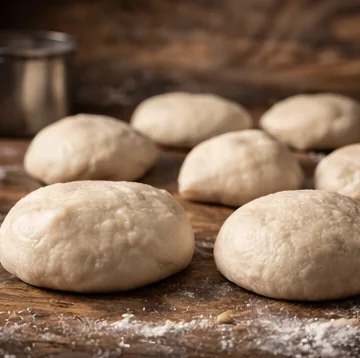
Pizzateig – sechs Rezepte für jeden Stil
Der Teig ist die Pizza. Sauce und Belag sind Details. Hier findest du sechs getestete Rezepte – jedes für ein konkretes Ziel gebaut, von maximalem Geschmack bis zu mehr Protein, mit Grammangaben, Ruhezeiten und ehrlicher Entscheidungshilfe.
Warum die Teigwahl wichtiger ist, als viele denken
Die meisten Pizza-Probleme entstehen, bevor der erste Belag auf den Teig kommt. Falsche Hydration lässt ihn reißen, falsche Fermentation macht ihn fade, falsches Mehl macht ihn zäh. Guter Teig ist kein Zufall – er beginnt mit der passenden Teigart für Zeit, Ziel und Ofen.
Alle sechs Rezepte sind auf klare Ziele getestet: der Original neapolitanischer Pizzateig ist auf komplexen Geschmack durch 72 Stunden kalte Fermentation ausgelegt; der Schneller Pizzateig für denselben Tag ist darauf ausgelegt, in unter 3 Stunden wirklich gut zu werden; die Low-Carb-Mandel-Leinsamenboden bleibt unter 7 g Netto-Kohlenhydraten pro Portion, ohne nach Kompromiss zu schmecken. Alle Rezepte arbeiten mit genauen Grammangaben – keine ungenauen Tassenangaben.
Welchen Teig solltest du wählen?
Die ehrliche Entscheidungshilfe. Wähle deine Situation:
| Deine Situation | Beste Wahl | Warum |
|---|---|---|
| Du willst den bestmöglichen Geschmack | Original neapolitanischer Pizzateig | Kalte Fermentation entwickelt Aromen, die keine Abkürzung ersetzen kann |
| Pizza heute Abend, nicht morgen | Schneller Pizzateig für denselben Tag | Auf Tempo ausgelegt, ohne die Textur komplett zu opfern |
| Keto / Low Carb | Low-Carb-Mandel-Leinsamenboden | 6 g Netto-Kohlenhydrate pro Portion, Mandelmehlbasis, wirklich knusprig |
| Mehr Ballaststoffe und Nährstoffe | 48-Stunden-Pizzateig mit Saaten | Leinsamen + Sesam + Sonnenblumenkerne – omega-3-reich und angenehm knusprig |
| Nach dem Training, proteinreiches Ziel | Proteinreicher Joghurt-Pizzateig | Molkenprotein + griechischer Joghurt = 18 g Protein pro Portion |
| Zöliakie / Glutenunverträglichkeit | Glutenfreier Reis-Tapioka-Pizzateig | Reismehl + Tapiokastärke – sauberer Prozess ohne Kreuzkontamination |
| Erster eigener Pizzateig | Schneller Pizzateig für denselben Tag | Fehlertolerant, schnelle Rückmeldung und gut zum Lernen |
| Du hast einen Pizzaofen (400 °C+) | Original neapolitanischer Pizzateig | Nur der 72-h-Teig entwickelt bei extremer Hitze echte dunkle Backpunkte |
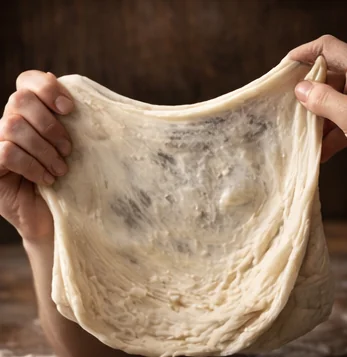
Original neapolitanischer Pizzateig
Tipo-00-Mehl, 65 % Hydration, kalte Fermentation. Ergibt eine offene, luftige Krume und einen schön gebräunten Rand. Auf diesen Teig lohnt sich das Warten.
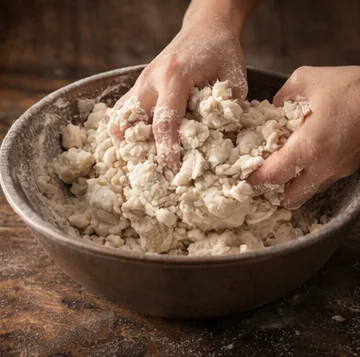
Schneller Pizzateig für denselben Tag
Trockenhefe, etwas höhere Hefemenge und Aktivierung mit warmem Wasser. In rund 2 Stunden bereit – besser als Fertigteig und ehrlich bei den Kompromissen.
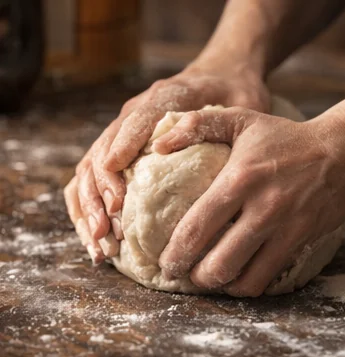
Low-Carb-Mandel-Leinsamenboden
Mandelmehl, Flohsamenschalen und Mozzarella-Basis. Die Textur ist anders als bei Weizenteig, aber das Ergebnis ist knusprig und zufriedenstellend.
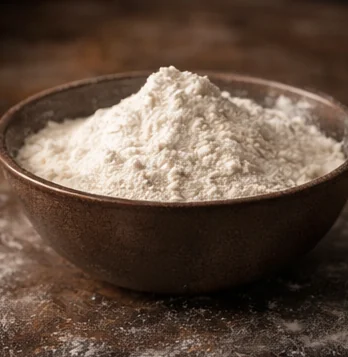
48-Stunden-Pizzateig mit Saaten
Leinsamen, Sesam und Sonnenblumenkerne im Grundteig. Nussig, leicht knusprig und omega-3-reich. Passt besonders gut zu vegetarischen Belägen.
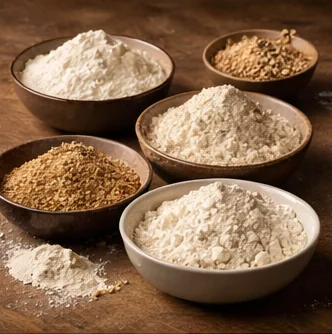
Proteinreicher Joghurt-Pizzateig
Neutrales Molkenprotein und griechischer Joghurt ersetzen einen Teil des Mehls. 18 g Protein pro Portion. Dichter als klassischer Teig, aber elastisch, sättigend und gut.
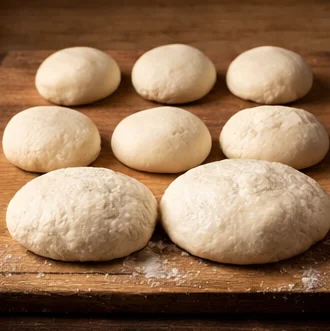
Glutenfreier Reis-Tapioka-Pizzateig
Reismehl und Tapiokastärke, Xanthan für Struktur. Außen knusprig, innen elastisch. Einer der besten glutenfreien Pizzaböden – ohne gummiartige Textur.
Teigvergleich: wichtige Zahlen auf einen Blick
Alle Rezepte sind auf 500 g Mehl oder eine passende Entsprechung berechnet. Werte sind zur Übersicht gerundet.
| Teig | Hydration | Fermentation | Kohlenhydrate /100 g | Protein /100 g | Schwierigkeit |
|---|---|---|---|---|---|
| Klassisch Neapolitan | 65% | 48–72 h kalt | ~42g | ~10g | Mittel |
| Quick Teig | 62% | 2–3 h warm | ~41g | ~9g | Einsteiger |
| Low Carb / Keto | — | keine Fermentation | ~8 g netto | ~14g | Einsteiger |
| Saaten-Teig | 60% | 3–4 h warm | ~35g | ~12g | Einsteiger |
| Proteinreich | 55% | 2–4 h warm | ~30g | ~18g | Einsteiger |
| Glutenfrei | 70% | 1 h Ruhezeit | ~32g | ~4g | Einsteiger |
Der Unterschied durch Fermentation
Der größte qualityssprung bei Pizza ist längere Fermentation. Das passiert im Teig in den einzelnen Phasen:
0–3 Stunden (schneller Teig): Die Hefe wird aktiv, CO₂ entsteht, der Teig geht auf. Der Geschmack ist leicht, hefig und etwas brotig – gut, aber noch nicht komplex.
12–24 Stunden (mittlere Fermentation): Enzyme beginnen Stärke in einfachere Zucker umzuwandeln. Der Geschmack wird deutlich tiefer, der Teig dehnbarer und reißt weniger schnell.
48–72 Stunden kalt (klassischer Teig): Höhepunkt der Enzymaktivität. Es entstehen komplexe organische Säuren wie Milch- und Essigsäure. Das ergibt Aroma, das Zeit braucht und nicht abgekürzt werden kann. Der Teig wird duftender, bekömmlicher und elastischer. Für die Erklärung lies den Ratgeber zur Fermentationswissenschaft.
Der Tausch ist Zeit, nicht Schwierigkeit. Ein 72-Stunden-Teig ist nicht schwerer – du startest nur drei Tage früher.
Diese Fehler solltest du vermeiden
Benutze kein Nudelholz. Es zerstört die Luftstruktur, die während der Fermentation entstanden ist. Dehne von Hand – mit Fingerdruck von der Mitte nach außen. Lies den Ratgeber zum Teigformen für die Technik.
Überspringe die Stückgare nicht. Nach dem Teilen brauchen Teiglinge 30–60 Minuten bei Raumtemperatur, bevor sie gedehnt werden. Kaltes, gespanntes Gluten reißt statt sich zu dehnen. Das ist einer der häufigsten Anfängerfehler.
Gib Salz nicht direkt auf die Hefe. Salz hemmt Hefe, wenn beides direkt aufeinandertrifft. Löse Salz zuerst im Wasser oder mische es ins Mehl, bevor die Hefe dazukommt.
Für den kompletten Ablauf – von der Zutatenauswahl bis zum Backen – erklärt der vollständige Pizza-Ratgeber alles in sieben Kapiteln.
Nach Zeit, Hydration und Ziel wählen
Prüfe zuerst, ob Zeit, Ofensetup oder ein Ernährungsziel Varianten ausschließen. Die Entscheidungstabelle trennt Teig für denselben Tag von kalt fermentiertem Teig; die Vergleichstabelle zeigt Hydration, Fermentation und Schwierigkeit für jedes Rezept.
- Für Pizza heute Abend starte mit dem schnellen Teig; für geplantes Backen oder den Pizzaofen vergleiche den klassischen Teig.
- Nutze Hydration und Schwierigkeit, um einen Teig zu wählen, den du sicher formen kannst.
- Vergleiche für Ernährungsziele Low Carb, Saaten, proteinreich und glutenfrei nach ihrem angegebenen Zweck.